
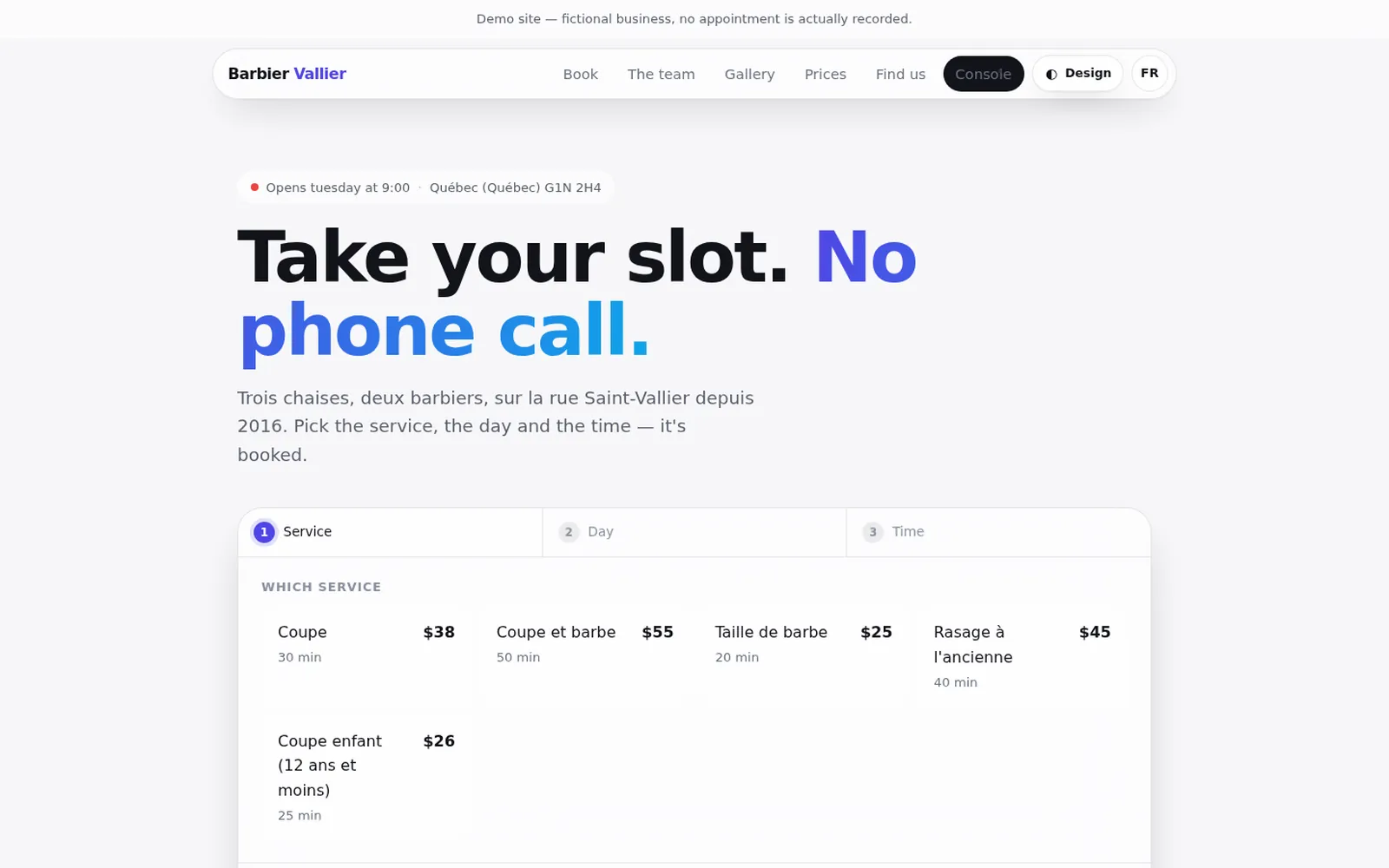
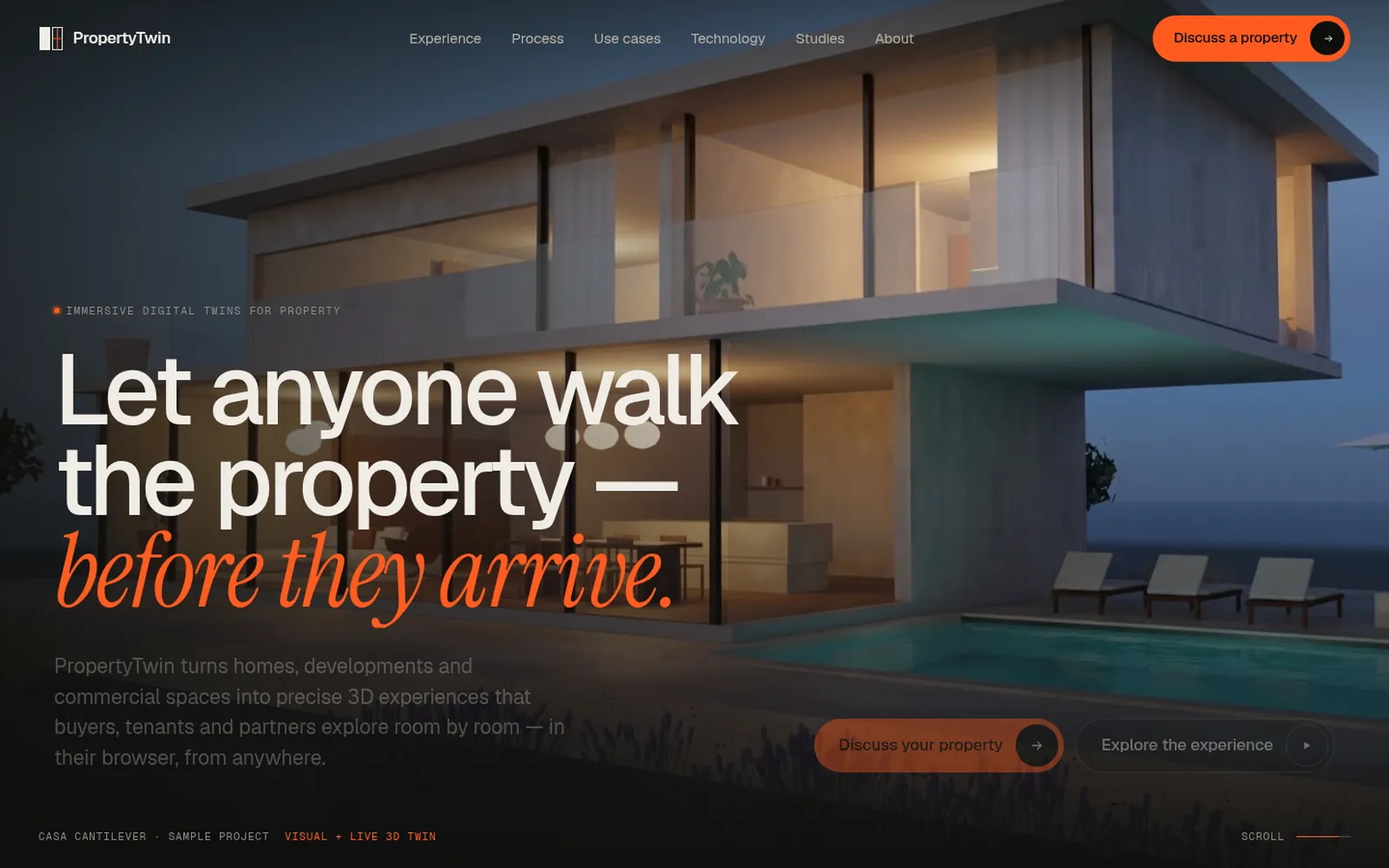
One page that “ranks and also works for the ads” makes budget sense. We push back, because the two differ on nearly every setting that matters.
| SEO page | Campaign page | |
|---|---|---|
| Visitor arrives from | A query they wrote | An ad you wrote |
| Job | Answer the query and earn trust | Complete the one action the ad set up |
| Lifespan | Years, improved by updates | As long as the campaign runs |
| Indexing | Indexed, in the sitemap, linked internally | noindex, out of the sitemap |
| Navigation | Full menus and related links | A logo and one button |
| Measured by | Impressions, clicks, assisted conversions | Conversion rate, cost per acquisition |
How this site builds a campaign page
Our campaign pages live under /campaigns/, each a separate product with these defaults:
noindex,followin the robots meta tag. Kept out of the sitemap, menus and footer, and never offered as related content.- A header with the logo and one button. The logo still links home, so a wary visitor can check who we are. Hiding that exit reads as a trap.
- A footer with the legal links and one link back to the main site.
- One offer, the brief form near the top, and a per-campaign thank-you page that records the conversion.
- An
adMessagefield holding the ad's exact promise. Our CRO audit script reports an error when the H1 repeats less than 60% of its words.
A live example: the ad line “Redesign your website without losing search traffic” lands on the H1 “Redesign your website without losing the search traffic it earned.”
All campaign pages share one template. A new ad group costs copy and a review, not a build, so one page per promise is affordable.
Noindex, not robots.txt
Campaign pages are near-duplicates that, indexed, compete with the organic page for the same queries.
Use <meta name="robots" content="noindex"> and leave the URL crawlable. If robots.txt blocks it, the crawler never sees the noindex and may still index the bare URL from links.
A rel="canonical" to the organic page is a hint, not a directive, and won't reliably keep thin variants out of the index.
A predictable folder such as /campaigns/ makes them easy to filter from organic reports.
What an SEO page needs instead
An organic page earns its place by answering a type of query better than other results. A comparison query wants a fair comparison; a service query wants the offer and how engagement works.
It also needs menus, breadcrumbs and related links, which keep readers moving and show search engines the site's structure. Stripping them cuts the page off from the site that gives it weight.
Two things help less than people hope. Content written to rank rather than help is what Google's guidance on helpful, people-first content (opens in a new tab) says its systems don't aim to reward. And FAQ markup rarely helps: since August 2023 Google shows FAQ rich results only for well-known, authoritative government and health sites (announcement (opens in a new tab)).
Message match, line by line
A paid visitor expects the promise they clicked kept at once. The headline repeats the ad's words, the image shows what the ad showed, and the offer, price and button label match.
Google Ads rewards this too: landing page experience is one of three Quality Score components, with expected click-through rate and ad relevance.
Each ad group promises something slightly different, so one page rarely serves several campaigns well.
Measure each on its own terms
Judging an SEO page by last-click conversion undervalues it, because organic visitors often convert later through another channel. A campaign page should have no organic traffic at all.
- SEO pages: impressions and clicks in Search Console, engaged sessions, assisted conversions.
- Campaign pages: conversion rate per ad group, cost per acquisition, form abandonment.
- Both: Core Web Vitals in field data; a slow page loses visitors from either source.
- Reports split by URL folder, so the two are never averaged together.
The website project brief lists both page families before design starts. We usually plan the split during a website redesign.