Glossary
Glossary
The terms we use, defined plainly, so a proposal never depends on jargon.
- 301 redirect
- A permanent redirect from an old URL to a new one. It carries visitors and most search signals to the new address.
- Canonical URL
- The address a page declares as its main version, so duplicates don’t compete in search.
- CLS
- Cumulative Layout Shift: how much visible content jumps around unexpectedly. Good is 0.1 or less.
- Core Web Vitals
- Google’s three user-experience metrics: loading (LCP), responsiveness (INP) and visual stability (CLS). See LCP, INP, CLS.
- Creative technology
- Using real-time rendering, generative systems or unusual interaction to make an idea tangible.
- Demo build
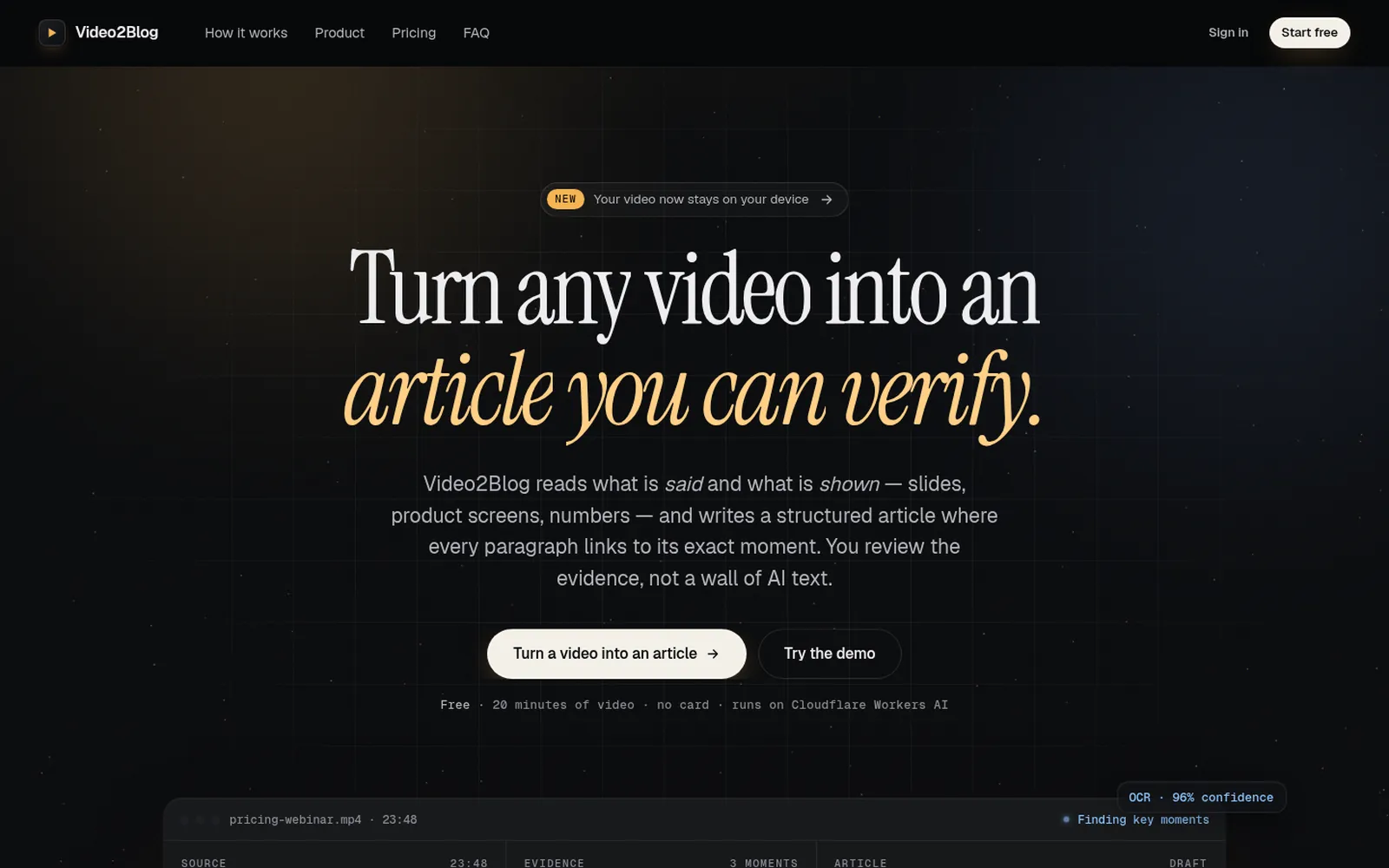
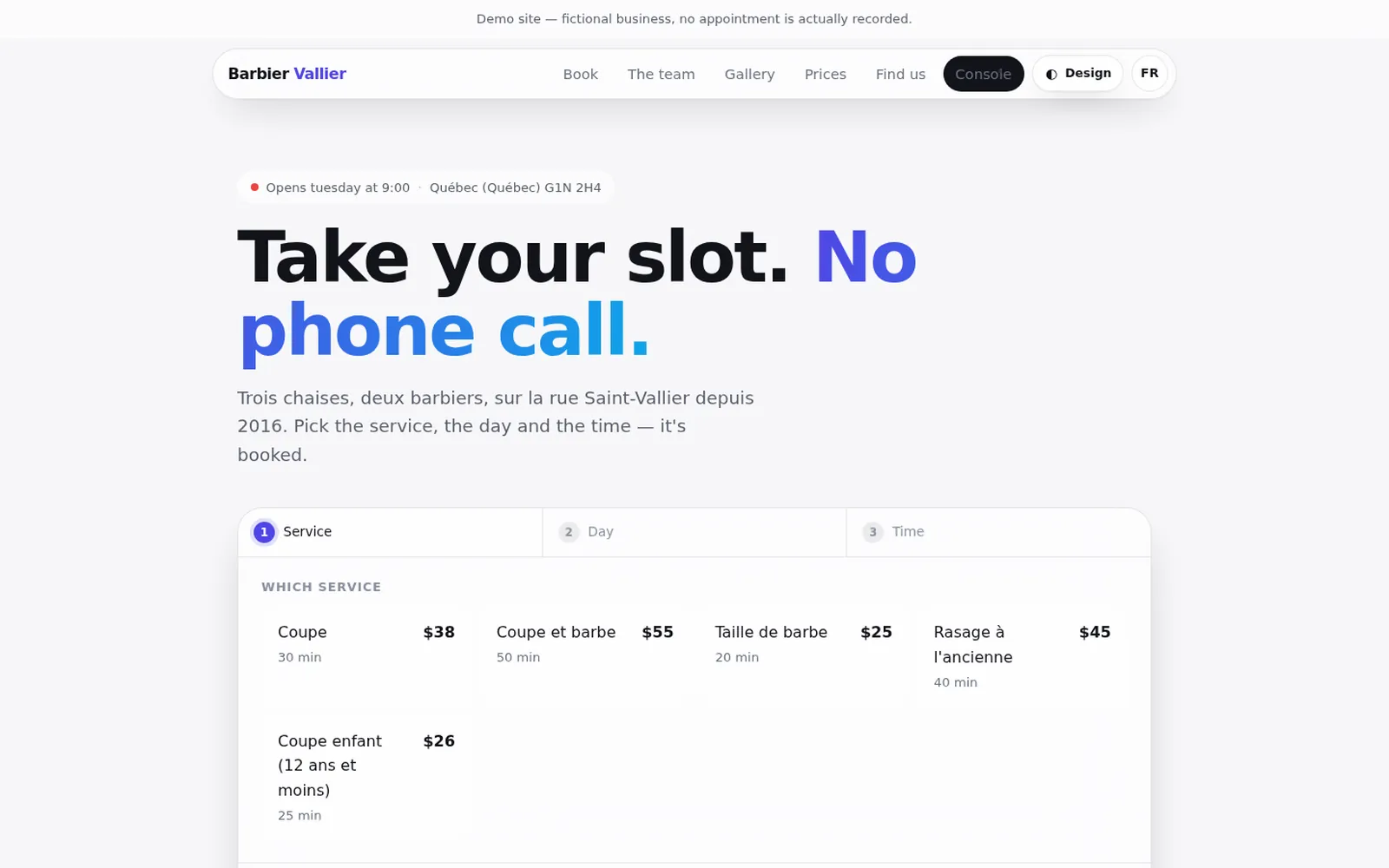
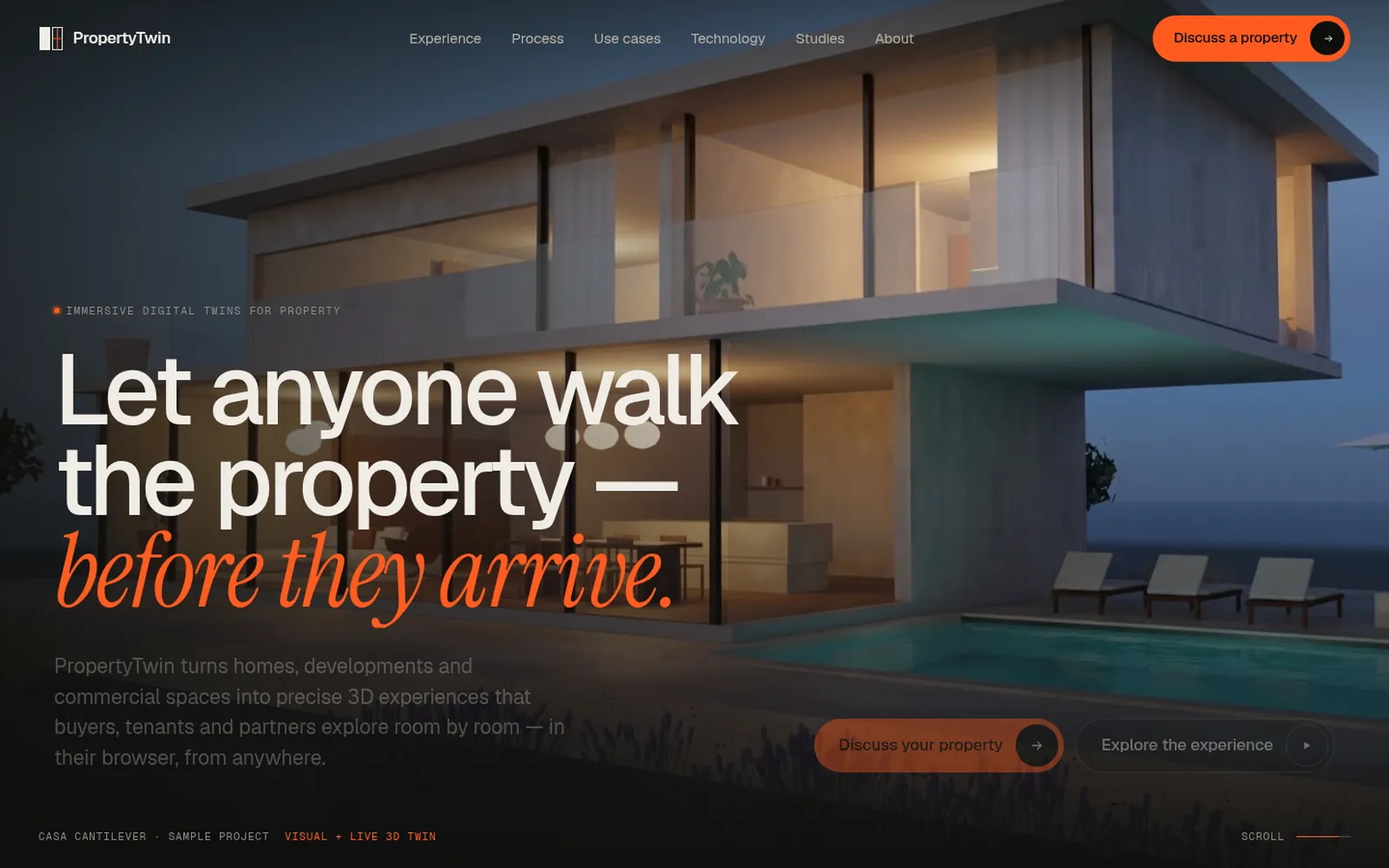
- A working project made for a fictional brand or with sample data, so a complete site or tool can be shown without a client. Each one under Work says so, with its status. See Work.
- Design system
- The shared tokens, components and rules that keep a product or website consistent.
- Design tokens
- Named values for colour, type, spacing and motion, used by design and code alike.
- GEO
- Generative engine optimisation: writing and structuring content so AI answer engines can understand it and cite it.
- GLSL
- The language WebGL shaders are written in. The programs run on the graphics card for each vertex and each pixel.
- Headless CMS
- A content system that stores content and serves it through an API, leaving the website free to display it.
- Information architecture
- How a site’s content is organised, labelled and linked: its sitemap, navigation and URLs.
- INP
- Interaction to Next Paint: how fast the page responds to input over a visit. Good is 200 milliseconds or less.
- LCP
- Largest Contentful Paint: when the largest visible element finishes rendering. Good is 2.5 seconds or less.
- Level of detail (LOD)
- Swapping a 3D model or effect for a simpler one as it shrinks or the device slows, to protect the frame rate.
- Message match
- Making a landing page’s headline repeat the promise of the ad that led there, so visitors know they’re in the right place.
- Progressive enhancement
- Building a page that works as plain HTML first, then adding styles, script and WebGL as layers that improve it. See the article.
- Reduced motion
- A system setting (
prefers-reduced-motion) people use to ask for less animation. A good site offers a calmer version, not a broken one. - Shader
- A small program on the graphics card that computes where things are (vertex shader) or what colour they are (fragment shader). Distortions and glows are usually shaders.
- Static site generation
- Rendering each page to HTML at build time, so the server only sends files.
- Structured data
- A machine-readable description of a page, usually JSON-LD with schema.org, that helps search engines understand it.
- Three.js
- A widely used JavaScript library that wraps WebGL in scenes, cameras and materials.
- UTM parameters
- Tags added to campaign links (
utm_source,utm_medium,utm_campaign) so analytics can credit a visit or an enquiry to its source. - View Transitions API
- A browser API that animates between two states of a page, or between two pages.
- WebGL
- A browser API that draws 2D and 3D graphics on the graphics card, inside a
<canvas>element. See Creative technology.
Have a project in mind?
Tell us what you need and by when. We read every enquiry and reply in writing, with questions, a next step, or a plain no if we’re the wrong studio.